

Key Takeaways
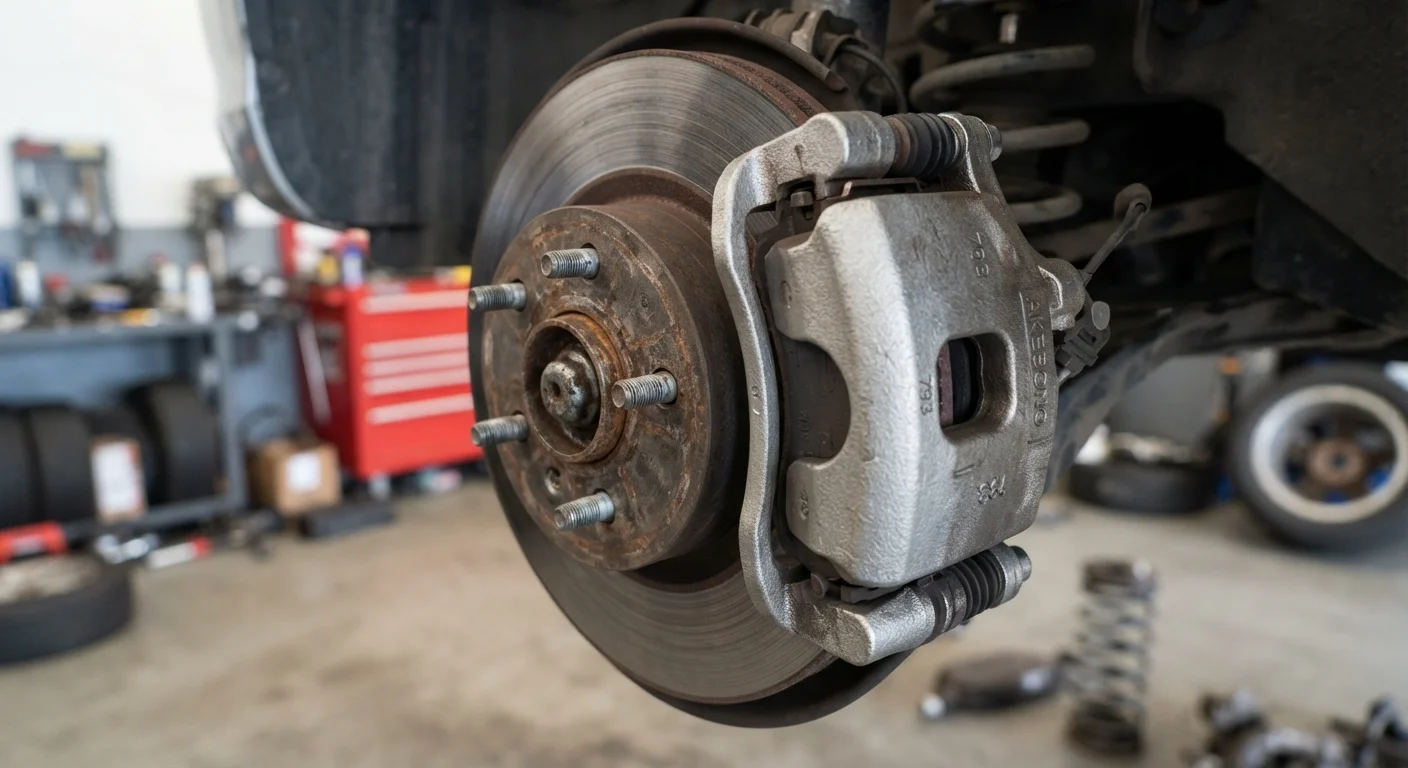
Brake Pads and Rotors
Brake pads are the friction material that clamp against the brake rotor - the large metal disc attached to each wheel - to slow and stop your vehicle. Together, they form the core of your disc brake system. Over time, both components wear down with use and need to be inspected and replaced to maintain safe stopping performance.
Most passenger vehicles use disc brakes on all four wheels, though some older or economy models use drum brakes on the rear axle. The warning signs and service intervals differ slightly between these systems.
What Your Brakes Are Actually Trying to Tell You
Most brake problems don't appear suddenly. Your vehicle sends early, recognizable signals well before performance becomes seriously compromised. Learning to read those signals is one of the most practical safety habits any driver can develop.
The most common early warning is a high-pitched squealing or squeaking sound when you press the brake pedal. This is usually intentional - most modern brake pads include a small metal wear indicator that contacts the rotor when the friction material gets thin, producing that distinctive sound as an alert. The noise may come and go at first, especially in wet weather, but persistent squealing during braking is a signal worth taking seriously.
A step beyond squealing is grinding - a harsh, metallic sound that often means the pad material has worn through entirely and metal is contacting metal. At that stage, rotor damage is likely already occurring. See how brake delays affect overall ownership costs for context on why early action typically saves money.
Make Brake Checks Part of Every Tire Rotation
Since tires typically rotate every 5,000-7,500 miles, pairing that service with a brake inspection is an easy way to stay on top of pad wear without adding a separate appointment. Most shops will visually check pads at no extra charge during a rotation. This habit helps you catch wear trends early, before any audible symptoms appear.
Vibration, Pulling, and Pedal Feel: What Each Symptom Means
Not every brake symptom is a sound. Physical sensations through the steering wheel or pedal can be just as telling.
Vibration or pulsing through the brake pedal when slowing down usually points to rotors that have developed uneven thickness over time - commonly called warped rotors, though the technical cause is typically uneven material deposit or wear. When the rotor surface isn't perfectly uniform, the pads make inconsistent contact, creating that rhythmic pulsing sensation.
The vehicle pulling to one side during braking can indicate uneven pad wear, a stuck brake caliper, or a fluid pressure imbalance. This deserves prompt inspection because it can affect vehicle control.
A soft or spongy pedal - one that feels mushy or travels further than usual before the brakes engage - often points to low brake fluid or air in the brake lines. This is a condition that affects braking performance directly and should be addressed without delay. For guidance on checking brake fluid, see how to check and top off brake fluid.
25,000-65,000 mi
Typical brake pad lifespan range
The National Highway Traffic Safety Administration notes that braking habits and driving environment are the primary factors in where within this range a given vehicle falls.
~$150-$300
Estimated cost per axle for pad replacement
According to general automotive service data, the cost to replace pads on one axle varies by vehicle type and labor rates; rotor replacement adds significantly to that figure.
Visual Inspection and Service Intervals
You don't need to remove a wheel to get a rough sense of pad condition. Looking through the wheel spokes, you can typically see the outer brake pad pressed against the rotor. If the friction material appears to be less than about a quarter inch thick, it's time for a professional inspection. Thinner than that, and you're likely approaching the minimum safe thickness.
As a general guideline, most brake pads are designed to last somewhere between 25,000 and 65,000 miles - but that's a wide range for a reason. Aggressive driving, frequent highway-to-city transitions, heavy vehicle loads, and mountainous terrain all accelerate wear. The scheduled maintenance intervals in your owner's manual will specify when brake inspections are recommended for your specific vehicle.
Rotors are measured for minimum thickness and surface condition. A mechanic can assess whether resurfacing is possible or if replacement is necessary. Keep in mind that not all rotors are thick enough to resurface safely - many modern vehicles use thinner rotors that are designed to be replaced rather than machined.
For a complete picture of routine upkeep that includes brake service alongside other key items, reviewing the maintenance sections of your owner's manual is a worthwhile starting point. Brakes don't exist in isolation - safe driving habits and well-maintained tires (see tire pressure and tread guidance) all work together to keep stopping distances predictable.