

Key Takeaways
Vehicle Maintenance Schedule
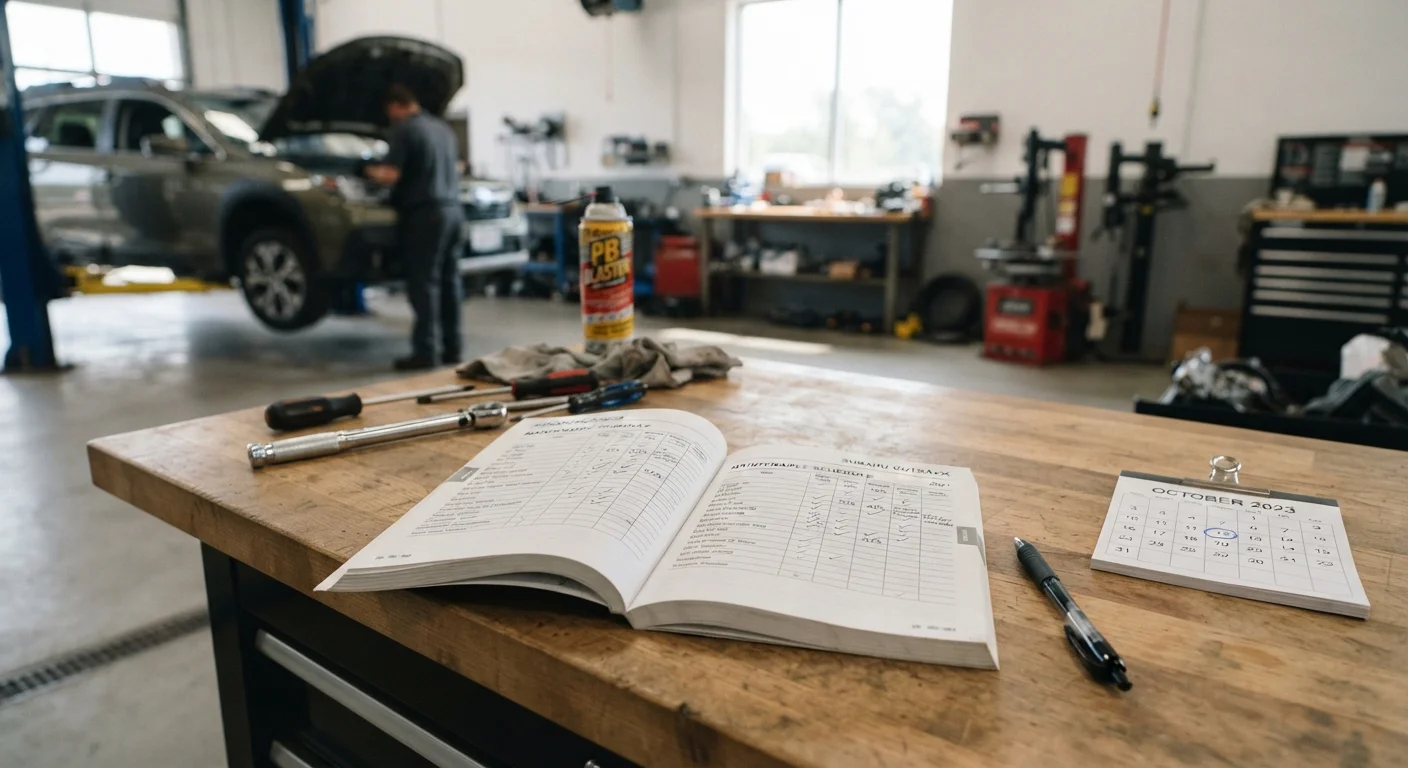
A vehicle maintenance schedule is a manufacturer-recommended timeline - typically based on mileage or time elapsed - that tells you when specific parts and fluids on your car need to be inspected, serviced, or replaced. It covers everything from oil changes and tire rotations to brake inspections and spark plug replacements. Following it consistently is one of the most effective ways to avoid costly breakdowns and keep your car reliable.
Most modern vehicles use either a fixed-interval schedule or a condition-based monitoring system (sometimes called an oil life monitor or service reminder) that calculates service needs based on actual driving patterns and engine data.
What a Maintenance Schedule Actually Is
Think of your car's maintenance schedule as a road map for reliability. It's a structured list of service tasks tied to specific intervals - usually expressed in miles, months, or both - that your vehicle's manufacturer determined through engineering and testing. It isn't a sales tool invented by dealerships; it comes directly from the people who built your car.
The schedule covers fluid changes, filter replacements, belt and hose inspections, brake system checks, tire rotations, and more. Each task has an interval because components wear or degrade at predictable rates under normal use. Reading the maintenance section of your owner's manual is the single best way to find the schedule specific to your year, make, model, and engine - because it does vary.
Every Vehicle's Schedule Is Different
Generic maintenance advice - like 'change your oil every 3,000 miles' - doesn't apply equally to all vehicles. A turbocharged engine, a diesel, and a naturally aspirated four-cylinder can each have meaningfully different service requirements. Always cross-reference general guidance with your specific owner's manual before setting your own intervals.
Mileage vs. Time Intervals - and Why Both Count
Most maintenance tasks list two thresholds: a mileage figure and a time period. For example, an oil change might be recommended every 5,000 miles or six months, whichever comes first. The time component matters because fluids and rubber components degrade even when a car sits unused. A driver covering only 4,000 miles in a year still needs an oil change at the twelve-month mark if that's what the manual specifies.
Many newer vehicles use an onboard oil life monitoring system that tracks actual engine conditions - temperature, load, idle time, cold starts - and calculates when oil is genuinely due for a change rather than relying solely on a fixed mileage number. If your dashboard shows a service reminder, treat it as the interval, and consult your manual to understand what triggers the alert.
~$1,200
Average annual vehicle maintenance cost for U.S. drivers
According to AAA's annual Your Driving Costs study, routine maintenance and repairs represent a significant share of total vehicle ownership expense.
35%
Drivers who delay or skip recommended maintenance
Consumer surveys by AAA have consistently found a substantial portion of drivers postpone at least one recommended service in a given year, often citing cost concerns.
Normal vs. Severe Driving Conditions
Owner's manuals typically include two service schedules: one for normal driving and one for severe or special operating conditions. Severe doesn't mean aggressive - it refers to patterns that put more stress on fluids and components. Short urban trips, frequent idling, dusty environments, extreme temperatures, and towing all qualify.
Many American drivers actually fall into the severe-use category without realizing it, simply because of stop-and-go commuting or frequent short trips that don't allow the engine to fully warm up. Checking the severe-condition schedule in your manual and honestly assessing your driving habits can help you decide which interval applies to you. When in doubt, the more frequent schedule is the safer choice for your vehicle's longevity.
The Services You'll Encounter and When
While every vehicle differs, the following services appear on most maintenance schedules:
- Engine oil and filter: One of the most frequent tasks. Intervals range from roughly 3,000 miles for older vehicles with conventional oil to 7,500-10,000 miles or more for modern engines using full synthetic oil.
- Tire rotation: Typically every 5,000-7,500 miles, promoting even tread wear and extending tire life.
- Engine air filter: Usually every 15,000-30,000 miles, though dusty driving conditions shorten that range.
- Cabin air filter: Often every 15,000-25,000 miles; it affects air quality inside the vehicle.
- Brake fluid: Many manufacturers recommend replacement every two years regardless of mileage, as brake fluid absorbs moisture over time.
- Spark plugs: Copper plugs may need replacement around 30,000 miles; iridium or platinum plugs can last 60,000-100,000 miles depending on the design.
- Coolant flush: Often every 30,000-50,000 miles or every few years, depending on coolant type.
- Transmission fluid: Intervals vary widely - from 30,000 miles under severe use to 100,000 miles under normal use for some modern transmissions.
For a broader look at what these services cost over time, see routine maintenance costs every car owner should plan for.
Keep a Simple Service Log
Record every service - date, mileage, and work performed - in a notebook kept in your glove box or a notes app on your phone. This log is invaluable when selling the vehicle, diagnosing a problem, or simply remembering when something was last done. Many mechanics will also note upcoming services on a sticker inside your windshield, which serves as a useful reminder.
What Happens When You Fall Behind
Deferring scheduled maintenance rarely saves money in any meaningful way. Degraded oil increases engine wear. An overdue transmission fluid change can shorten the life of an expensive component. A neglected timing belt that snaps can cause catastrophic engine damage costing thousands of dollars. The downstream costs of skipping scheduled maintenance are almost always higher than the service itself would have been.
If you've purchased a used vehicle and don't know its service history, a qualified mechanic can perform an inspection to assess what's overdue. If you're planning to drive your vehicle well past 100,000 miles, maintaining a car past 150,000 miles requires particular attention to the schedule and a few additional checks that become relevant at higher mileage.
The goal of any maintenance schedule is simple: catch small problems before they become expensive ones, and keep components performing as designed. It's one of the few areas of car ownership where staying ahead genuinely pays off.