

Key Takeaways
Summary
22 items · 20-40 minutes to prepare; 45-60 minutes for the appointment itself
Why Annual Vet Visits Matter More Than You Might Think
For most healthy adult dogs, a once-yearly wellness exam is the cornerstone of preventive care. Veterinarians use this visit to establish a current baseline for your dog's weight, heart rate, coat condition, joint mobility, and organ function - information that becomes invaluable if something changes later. Many conditions, including dental disease, early kidney decline, and thyroid imbalances, develop silently and are far easier to manage when caught before symptoms appear.
Preparation is what separates a rushed, reactive appointment from a genuinely productive one. When you arrive organized, your vet spends less time reconstructing history and more time assessing your dog. This checklist covers everything you should bring, the questions worth asking, and what a standard exam actually involves.
If your dog is approaching middle age, it's also worth reading what changes after age 7, since older dogs often require more frequent visits and different screening protocols.
What to Bring to the Appointment
Arriving with the right materials allows your veterinarian to review history quickly and focus the exam on current concerns rather than administrative catch-up.
Documents and Records
Samples to Collect at Home
Preparation and Logistics
At the Clinic
On the vaccination front, understanding your dog's complete immunization history helps both you and your vet stay ahead of due dates. The dog vaccination schedule guide is a useful reference for understanding which core and non-core vaccines apply at different life stages.
Vaccination record booklet or app
Tracks immunization dates, due dates, and administering clinic so your vet has an accurate immunization history.
Fecal sample container
Collects a fresh stool sample at home for intestinal parasite screening at the clinic.
Notepad or phone notes app
Records questions before the appointment and captures vet recommendations during the visit.
Secure leash or approved carrier
Keeps your dog safe and comfortable in waiting areas and during transport to and from the clinic.
Pet insurance card or policy number
Allows for accurate documentation if claims or referrals are needed following the visit.
Questions to Ask Your Vet
Most appointments run 45 to 60 minutes, and that time moves quickly once the physical exam begins. Writing your questions down beforehand - and prioritizing the most pressing ones - ensures nothing gets forgotten in the moment.
Don't Save Questions for the End
It's easy to let the vet's exam narrative take over and find yourself out of time when you finally remember what you wanted to ask. Mention at the start of the appointment that you have a few questions prepared - most vets will build in time for them. Unasked questions often mean unaddressed concerns that persist until the following year.
Good questions to consider include: Has my dog's weight changed significantly since last year, and is that a concern? Are the current vaccines and parasite preventatives still appropriate for where we live and how we socialize? Is there anything in today's exam that warrants a follow-up test or recheck? What early signs of aging or breed-specific conditions should I watch for at home?
Don't hesitate to ask about behavioral changes too - increased anxiety, altered sleep patterns, or changes in appetite can all be clinically relevant and are easy to overlook if you focus only on physical symptoms.
Any New Lump Warrants a Conversation
If you've noticed any new growths, bumps, or skin changes since your dog's last visit, point them out specifically during the exam - do not assume the vet will find them on their own during a general assessment. Many lumps are benign, but some require early intervention. Prompt evaluation is always the right call, and your vet can advise on whether monitoring, aspiration, or biopsy is appropriate.
What Your Vet Will Typically Assess
A standard annual wellness exam is a systematic, head-to-tail evaluation. While individual vets vary in their approach, most annual visits include the following assessments:
- Weight and body condition score: Obesity is one of the most common and preventable health issues in dogs. Your vet will assign a body condition score and advise on diet or exercise adjustments if needed.
- Eyes, ears, and nose: Signs of infection, discharge, cloudiness, or structural concerns are noted.
- Oral health: Dental disease affects the majority of dogs over age three. Your vet will grade tartar buildup and gum health and may recommend a professional cleaning.
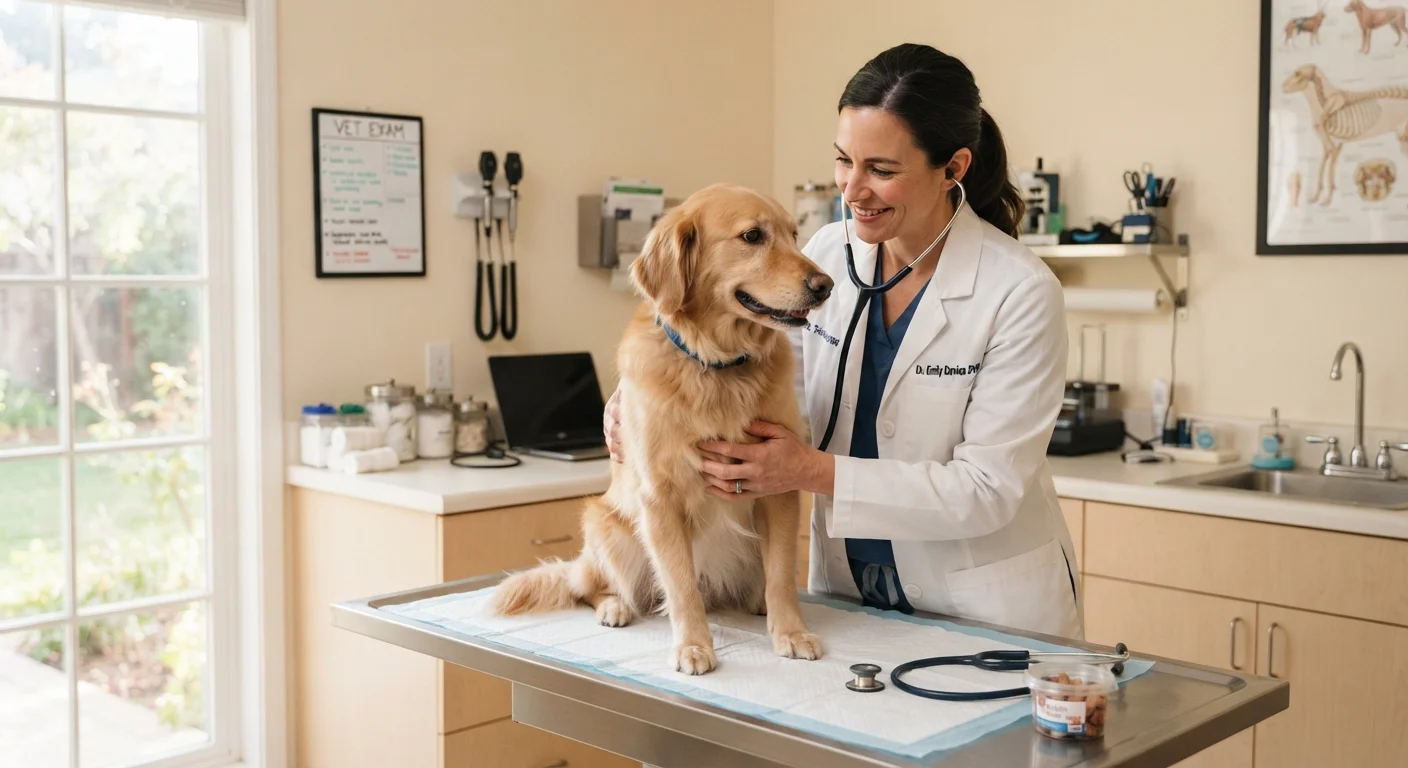
- Heart and lungs: Auscultation (listening with a stethoscope) helps detect murmurs or abnormal breath sounds.
- Abdomen: Palpation checks for organ size, fluid, pain, or unusual masses.
- Skin and coat: Dryness, parasites, lumps, and lesions are all examined.
- Joints and mobility: Gait observation and limb manipulation can reveal early arthritis or orthopedic concerns, particularly in larger breeds.
- Lymph nodes: Swelling can signal infection or, in some cases, more serious conditions.
Depending on your dog's age and history, your vet may also recommend blood panels, urinalysis, heartworm testing, or fecal parasite screening as part of the visit.
This article is for general educational purposes only and does not constitute veterinary medical advice. Always consult a licensed veterinarian for guidance specific to your dog's health needs.