

Key Takeaways
What Your Ownership Budget Is Probably Missing
Most drivers calculate car costs the same way: add up the monthly payment, insurance premium, and a rough fuel estimate. That math isn't wrong - but it's significantly incomplete. Industry research consistently shows that the true annual cost of owning and operating a vehicle runs well above what drivers self-report spending, largely because a wide range of smaller, irregular expenses never make it into the mental ledger.
This article focuses specifically on the costs that get overlooked - not the obvious line items like oil changes and tire rotations (those are covered in our guide to routine maintenance costs), but the ones that quietly drain a budget between the headline expenses. If you want a complete picture of what vehicle ownership actually involves, our full breakdown of car ownership costs is a useful companion read.
Depreciation as a Real, Ongoing Expense
Depreciation - the loss of a vehicle's market value over time - is typically the largest single cost of car ownership, yet most drivers never see it as a line item. Because no money changes hands month to month, it's easy to ignore. But when you sell or trade in a vehicle, that lost value becomes very real.
A new vehicle commonly loses a significant portion of its value within the first few years of ownership. Even used vehicles depreciate, though typically at a slower rate. Tracking your car's approximate current market value annually - using resources like Kelley Blue Book or NADA Guides - helps you understand the true cost of ownership over time and can inform future decisions about when to sell or trade.
Depreciation is often the largest ownership cost, yet most drivers never track it as a real expense.
Parking Fees and Garage Costs
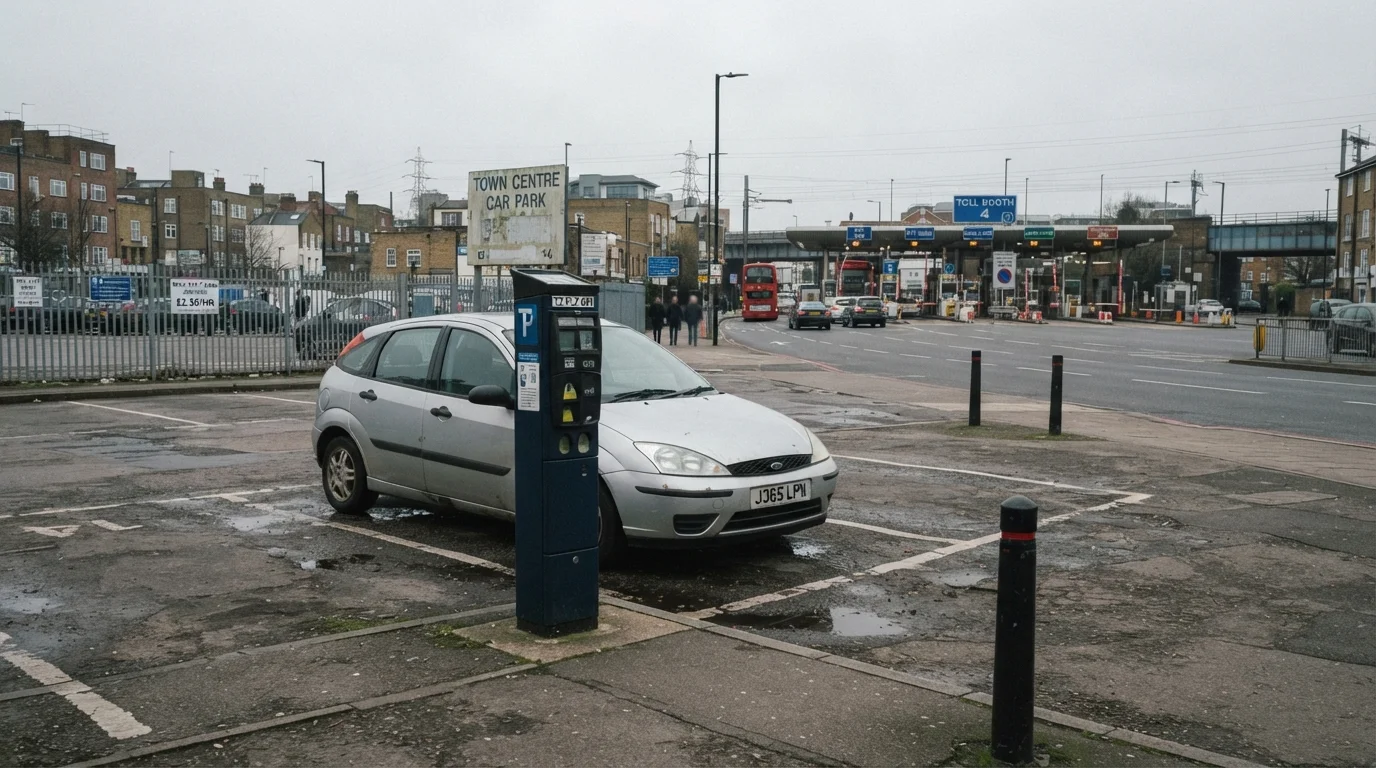
Drivers in suburban and rural areas may pay relatively little for parking, but for anyone who works in or visits an urban center regularly, parking costs can be substantial. Monthly garage passes in many U.S. cities range from roughly $100 to over $400 per month depending on location. Daily rates for event or airport parking can also add up fast.
Even outside cities, parking meters, paid lots at airports, and stadium or venue parking fees are costs that rarely appear in standard ownership estimates. Keeping a monthly tally of what you actually spend on parking - even informally - often reveals a larger number than most drivers expect.
Monthly garage passes in many U.S. cities can exceed $300, a cost rarely factored into standard budgets.
Tolls and Road Usage Fees
Toll roads, bridges, and tunnels are a routine part of driving in many parts of the country, particularly along the East Coast, in major metropolitan areas, and on certain interstate routes. Drivers who commute through toll infrastructure daily may pay anywhere from a few hundred to over a thousand dollars per year depending on their route and local toll rates.
Electronic toll transponders (like E-ZPass or SunPass) often offer discounted rates compared to cash payment, but the associated account fees and transponder costs are themselves easy to overlook. Gig economy drivers or those who frequently travel between states should pay particular attention to how toll costs affect their actual per-mile operating expenses.
Frequent toll commuters may spend over $1,000 annually on road fees - a figure rarely included in budget estimates.
Roadside Assistance Plans
Many drivers assume roadside assistance is included in their auto insurance or covered by the manufacturer warranty. In some cases it is - but coverage terms vary widely, and many policies either exclude roadside events or limit the number of incidents per year. Purchasing a standalone roadside assistance plan is a common response, but that cost (typically $50-$180 per year depending on the provider and coverage tier) rarely makes it into household transportation budgets.
Even drivers who have coverage should check exactly what their plan includes: towing distance limits, fuel delivery, lockout service, and battery jump-starts all vary. Gaps in coverage can mean unexpected out-of-pocket costs at the worst possible times.
Roadside assistance plan costs are often forgotten until a breakdown makes them suddenly urgent.
Loan Interest and Financing Charges
When drivers budget around a monthly payment, they often mentally separate the payment from its true composition. Over the life of a typical auto loan, interest charges can add thousands of dollars to the total cost of a vehicle - a figure that's easy to lose track of when you're focused on the monthly number rather than the cumulative total.
Beyond standard interest, some financing arrangements include origination fees, prepayment penalties, or optional add-ons (like extended warranties or credit insurance) that get rolled into the loan balance. Our comparison of financing versus paying cash looks at how the total cost of each approach differs. Gap insurance - which covers the difference between what you owe and what the car is worth if it's totaled - is another cost that's genuinely useful but often unbudgeted.
Interest charges over a typical auto loan term can add thousands to the total vehicle cost.
Registration, Emissions Testing, and State Fees
Annual vehicle registration is required in every U.S. state, but the cost varies enormously - from under $50 in some states to several hundred dollars in others, often scaled to vehicle value or weight. Emissions inspections, safety inspections, and associated re-test fees add to the picture in states where these are required.
Drivers who move between states, purchase a vehicle in a different state, or own specialty or commercial vehicles may face additional title transfer fees, use taxes, or surcharges. These costs are annual, predictable, and entirely budgetable - yet surveys consistently show many drivers are caught off guard by registration renewal amounts each year.
Annual registration fees vary widely by state and can reach several hundred dollars for newer or heavier vehicles.
Car Washes, Detailing, and Appearance Upkeep
Routine car washing isn't just cosmetic - it helps protect paint and undercarriage from corrosion, particularly in regions where road salt is used in winter. Even modest spending on this adds up: a basic automatic wash at $10-$15 run twice a month equals $240-$360 per year. Professional detailing, if done once or twice annually, adds $100-$300 or more per session.
Interior care products, windshield washer fluid, wiper blades, touch-up paint, and similar consumables also fall into this category. None of these are large individually, but collectively they represent a real and recurring ownership cost that rarely appears in any budget estimate.
Regular car washes and basic appearance upkeep can quietly cost $300-$600 or more per year.
Building a Budget That Reflects Reality
The most effective way to stop being surprised by car costs is to treat each category in this list as a real budget line item - even if you only spend money in it occasionally. A simple annual vehicle budget spreadsheet, updated once a year, can reveal whether your transportation spending aligns with what you thought you were paying.
Track Actual Spending for 90 Days
The most reliable way to understand your true vehicle costs is to log every car-related expense for a full quarter - including parking, tolls, car washes, and fees. Most drivers discover their actual monthly transportation spending is noticeably higher than their estimate. Even a simple notes app or a basic spreadsheet works well for this exercise.
For a structured starting point, the annual vehicle budget checklist walks through every recurring ownership expense in one place. And if you're weighing whether to cut costs by switching vehicle types, ownership costs by vehicle class offers useful comparison data. The goal isn't to discourage car ownership - it's to make sure your financial plan reflects what driving actually costs, so the surprises stop being surprises.
This article is for general informational purposes only and does not constitute financial or legal advice. Cost figures and estimates vary by location, vehicle, and individual circumstances. Consult a qualified financial professional for guidance specific to your situation.