

Automotive Basics

Seasonal Car Care: Preparing Your Vehicle for Extreme Weather

Share
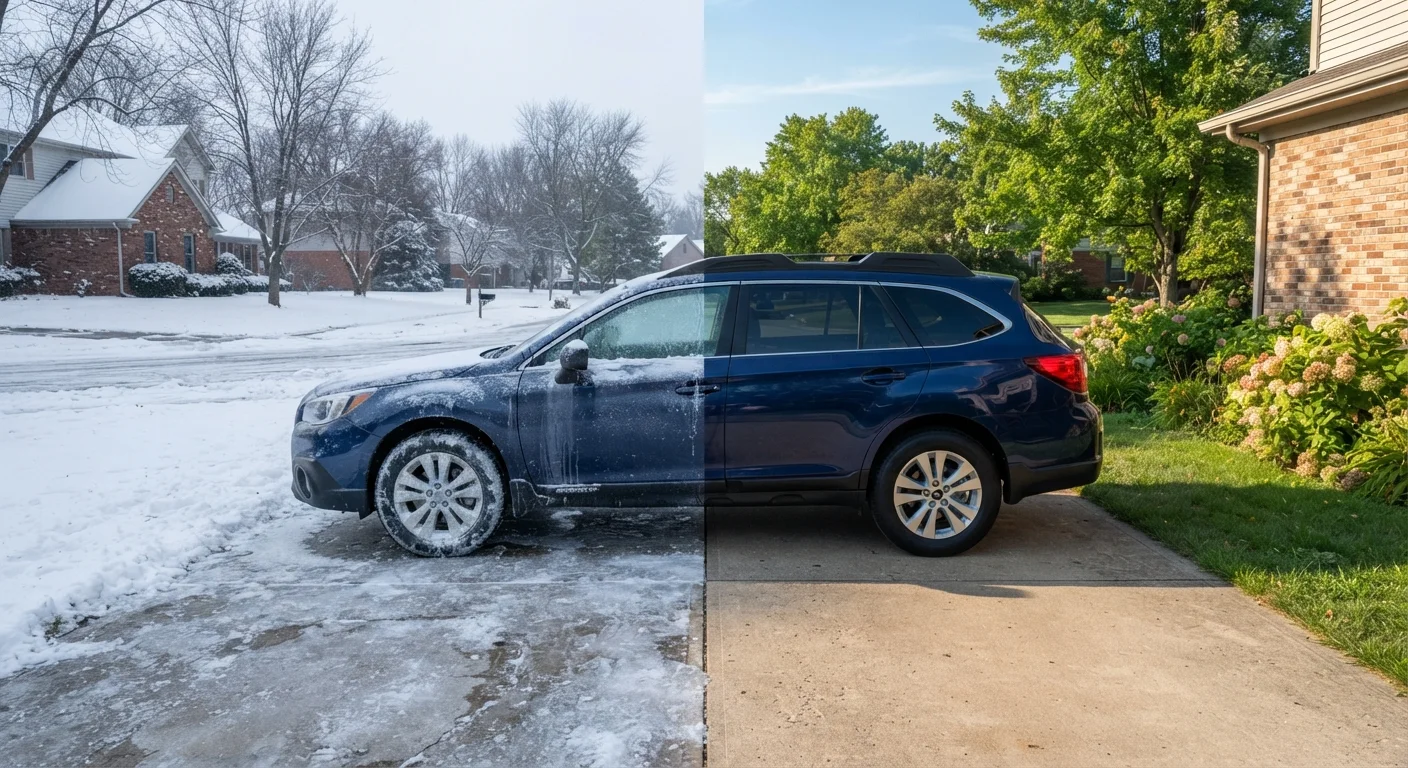
A car shown split between winter snow and summer sunshine on a suburban driveway.

Key Takeaways

Extreme heat and extreme cold each stress different vehicle systems — inspect both proactively.
Battery health is critical in both seasons; cold and heat both degrade battery performance.
Tires need pressure checks every season because temperature swings cause significant PSI changes.
Coolant and windshield fluid specifications differ between summer and winter — use the right type.
Many seasonal checks can be done at home in under an hour with basic tools.
30–60 min

Summary

22 items · 30–60 minutes

Why Seasonal Prep Matters More Than You Might Think

Most drivers think about car maintenance only when something goes wrong. Seasonal preparation flips that approach — it catches small issues before they become expensive repairs or, worse, roadside breakdowns in extreme conditions.

Heat above 90°F stresses cooling systems, accelerates battery fluid evaporation, and causes tires to over-inflate. Cold below 32°F thickens fluids, weakens batteries, and can crack rubber components. Neither season is forgiving to a neglected vehicle. This checklist walks through both, so you can work through it twice a year — once before summer and once before winter.

If you drive a high-mileage vehicle, these checks are even more consequential. See our guide to keeping older cars healthy for additional maintenance considerations specific to vehicles past 150,000 miles.

Summer Preparation

Test your battery voltage and inspect terminals for corrosion — summer heat accelerates internal battery degradation and fluid loss. Must
Check coolant level and condition; verify the coolant-to-water ratio is correct for summer temperatures using a hydrometer or test strip. Must
Inspect all radiator and heater hoses for cracks, soft spots, or bulging that heat can worsen into a rupture. Must
Verify the radiator cap seals tightly and maintains proper pressure — a weak cap causes coolant loss under high temps. Should
Check tire pressure when tires are cold; heat increases PSI, so start from the manufacturer's recommended baseline. Must
Inspect tire tread depth and sidewalls for cracking or bulging, both of which worsen under highway heat. Must
Test your air conditioning system; if cooling is weak or the refrigerant is low, have it serviced by a certified technician. Should
Replace your cabin air filter if it hasn't been changed within the last 12,000–15,000 miles to maintain AC efficiency. Nice to have
Top off windshield washer fluid with a summer-formula concentrate that resists evaporation and removes road grime effectively. Should
Check the engine air filter and replace if dirty — a clogged filter reduces fuel efficiency noticeably in stop-and-go summer traffic. Should

Winter Preparation

Have the battery load-tested by a shop or auto parts store — cold weather dramatically reduces battery output, exposing weakness. Must
Check coolant freeze protection with a test strip or hydrometer; the mixture should protect down to at least 20°F below your region's lowest expected temperature. Must
Switch to winter-formula windshield washer fluid rated for freezing temperatures — standard summer fluid will freeze in the reservoir and lines. Must
Inspect wiper blades and replace if streaking; consider winter-specific blades designed to shed ice and snow buildup. Must
Check tire tread depth and consider winter tires if you regularly drive on packed snow or ice — all-season tires have meaningful limitations below 45°F. Should
Monitor tire pressure weekly during cold snaps; PSI drops roughly 1 PSI for every 10°F decrease in temperature. Must
Inspect brakes — pads, rotors, and fluid — before winter; stopping distances increase on cold, wet, or icy pavement. Must
Check that all exterior lights function correctly; shorter daylight hours and low-visibility conditions make lighting especially critical. Should
Verify your defroster — both front and rear — works properly before temperatures drop. Should
Pack a basic winter emergency kit including a blanket, ice scraper, jumper cables, and a small bag of sand or kitty litter for traction. Nice to have
Check the condition of your belts and hoses; cold temperatures cause rubber to contract and crack, making borderline components more likely to fail. Should
Confirm the four-wheel or all-wheel drive system engages properly if your vehicle is equipped — test it before you actually need it. Should

What You'll Need Before You Start

Most of these inspections require only basic supplies. A few items — like a battery tester or coolant hydrometer — are inexpensive and reusable across many seasons. Before working under the hood, always ensure the engine is cool and the vehicle is parked on a flat surface.

Required

Tire pressure gauge

Accurately measures PSI in all four tires and the spare before and during each season.

Required

Battery tester or multimeter

Checks battery voltage to identify weakness before cold or heat causes a failure.

Required

Coolant test strips or hydrometer

Measures freeze protection level and coolant-to-water ratio to confirm suitability for seasonal temperatures.

Required

Flashlight or work light

Illuminates the engine bay and undercarriage for inspecting hoses, belts, and fluid reservoirs.

Optional

Tread depth gauge

Provides an accurate measurement of remaining tire tread to assess safety margin.

Required

Owner's manual

Specifies manufacturer-recommended fluid types, change intervals, and system specifications for your exact vehicle.

Never Open a Hot Radiator Cap

Coolant is pressurized and can reach temperatures well above 200°F. Opening the radiator cap on a warm or hot engine can cause scalding fluid to spray out violently. Always allow the engine to cool completely — at least 30 minutes — before checking or adding coolant. If you're unsure, have a mechanic handle it.

Understanding what routine upkeep costs can help you budget for seasonal prep. Our overview of routine maintenance costs provides realistic figures for oil changes, tires, brakes, and filters.

Using This Checklist and Staying Road-Ready All Year

Work through the summer group before temperatures climb consistently above 80°F — typically late spring. Return to the winter group before your first expected freeze, usually early-to-mid fall depending on your region. Items marked must are non-negotiable for safety; should items prevent common failures; nice-to-have items extend vehicle life and comfort.

Once your car is prepped, your driving habits matter just as much as the hardware. Our guide to driving in rain, snow, ice, and fog covers how to adjust your behavior when conditions deteriorate. And before any long trip — regardless of season — run through our pre-trip safety check to confirm tires, lights, mirrors, and fluids are all in order.

For those heading into particularly harsh environments, the demands intensify further. Drivers planning routes through the American Southwest should also review desert driving preparation, which covers the unique challenges heat and remoteness create for vehicles and drivers alike.

This article is for general informational purposes only. For any repair or inspection task you are not confident performing safely, consult a qualified mechanic. Always follow your vehicle manufacturer's recommendations as outlined in your owner's manual.

Automotive Basics Editorial Team is the collective byline for our editorial team and contributor network. Articles published under this byline or an editorial pen name are researched, written, and reviewed according to our editorial standards for clarity, consistency, and independence before publication.

View all articles by Automotive Basics Editorial Team →
Disclaimer: The content provided on our blog site traverses numerous categories, offering readers valuable and practical information. Readers can use the editorial team’s research and data to gain more insights into their topics of interest. However, they are requested not to treat the articles as conclusive. The website team cannot be held responsible for differences in data or inaccuracies found across other platforms. Please also note that the site might also miss out on various schemes and offers available that the readers may find more beneficial than the ones we cover.