

Key Takeaways
Why Litter Box Behavior Is Harder to Read Than It Looks
When a cat starts eliminating outside the litter box, the instinctive human response is frustration - and often, the wrong fix. Owners clean more aggressively, move the box, switch litters, or assume the cat is acting out. In many cases, none of these address the actual problem.
Cats communicate discomfort, pain, and territorial stress through changes in elimination behavior. Learning to distinguish between a medical signal, an environmental issue, and a setup problem is the first step to resolving it. See also our guide to subtle signs of pain in cats, which frequently overlap with litter box avoidance.
Assuming elimination outside the box is purely behavioral without ruling out a medical cause first.
Why it happens: Behavioral fixes feel more accessible than a vet visit, so owners often try environmental changes first and delay medical evaluation.
Not cleaning the box frequently enough, then wondering why the cat avoids it.
Why it happens: Owners often underestimate how sensitive cats' noses are relative to their own. A box that seems acceptable to a human may be intolerable to a cat.
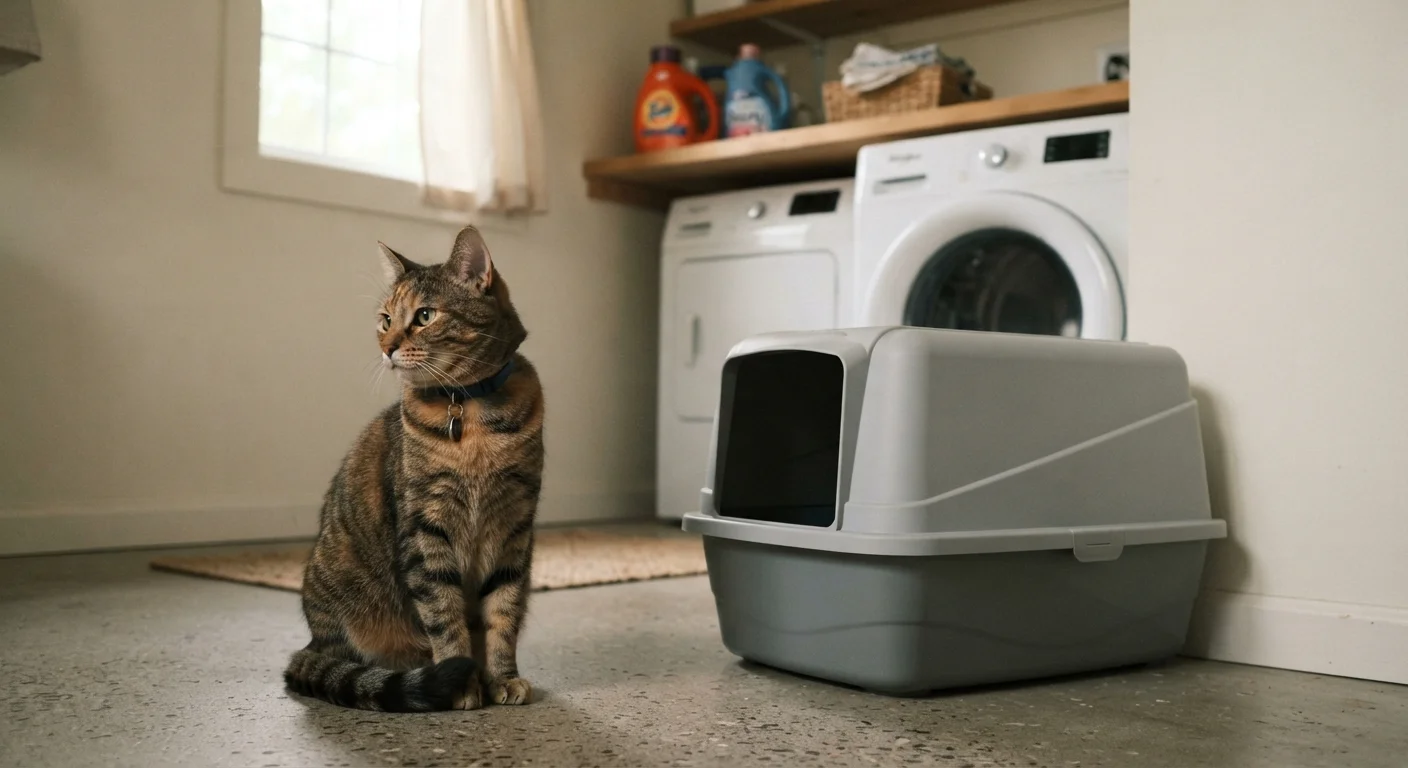
Using a covered litter box because it looks tidier, without considering the cat's perspective.
Why it happens: Covered boxes appeal to owners because they contain odors and maintain privacy aesthetics. The effect on the cat is the opposite - odors concentrate inside, making the space aversive.
Providing too few boxes for the number of cats in the household.
Why it happens: The standard guideline - one box per cat plus one - is widely cited but poorly followed, especially in smaller homes where space feels limited.
Switching litter types abruptly after avoidance begins, which can worsen the problem.
Why it happens: Owners reason that if the cat won't use the current litter, a different one might help. But abrupt changes often add a new aversion on top of the existing one.
Setup and Environment Mistakes That Drive Cats Away
Even when a cat is healthy and the box is clean, poor placement and setup choices can undermine consistent use. These are the environmental errors that owners most commonly overlook.
~10%
Cats affected by elimination problems
Feline house soiling is estimated to affect roughly 10% of cats at some point in their lives, making it one of the most common reasons cats are surrendered to shelters.
1 + 1 rule
Recommended boxes per multi-cat home
Veterinary behaviorists consistently recommend one litter box per cat plus one additional box to reduce resource competition and territorial stress.
Box placement matters more than most owners realize. A litter box tucked in a high-traffic area, near a noisy appliance, or in a location with only one exit point can make a cat feel trapped or exposed. Cats are vulnerable while eliminating, and they need to feel safe doing so.
In multi-cat homes, territorial tension around the litter box is common and frequently invisible to owners. If one cat controls access - even without visible aggression - subordinate cats may begin avoiding the box entirely. Our article on managing multi-cat households covers resource competition in more depth.
If you're setting up a home for a new cat, establishing the right number of boxes and choosing appropriate placement from the start makes a significant difference. The first-time cat owner guide and our cat-friendly home checklist both address litter box fundamentals worth reviewing before problems develop.
Straining or Crying in the Box Is an Emergency
A cat that repeatedly visits the litter box, strains without producing urine, or vocalizes while trying to eliminate may have a urinary blockage - a life-threatening condition, particularly in male cats. Do not wait to see if the problem resolves. Contact a veterinarian or emergency animal clinic immediately.
This article is for general informational purposes only and is not a substitute for veterinary advice. If your cat shows sudden or persistent changes in elimination behavior, consult a licensed veterinarian promptly.