

Key Takeaways
Feline Pain Concealment
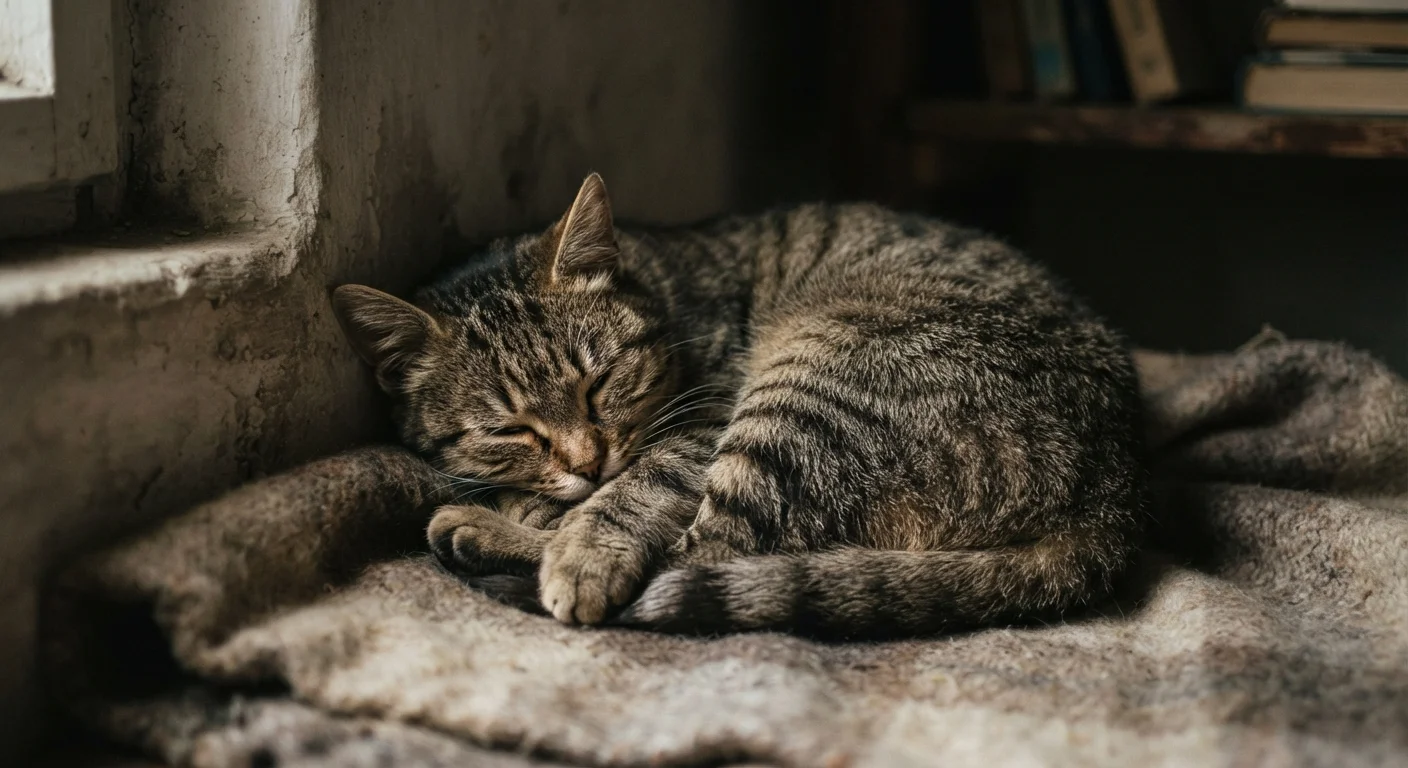
Cats instinctively hide signs of pain or illness as a survival mechanism rooted in their wild ancestry. Because showing weakness in the wild could invite predation, domestic cats retain this deeply wired tendency to mask discomfort. This means owners must look beyond obvious cues - like crying out - and pay close attention to subtle behavioral and physical changes.
Veterinary professionals use structured tools such as the Feline Grimace Scale (FGS) to assess acute pain in cats through facial action units, since cats rarely vocalize pain reliably.
Why Cats Are Wired to Hide Discomfort
Understanding feline pain begins with understanding feline instinct. In the wild, cats are both predator and prey. Showing any sign of weakness - including pain - could signal vulnerability to other animals. Over millennia, cats evolved to suppress outward expressions of discomfort as a matter of survival.
That instinct doesn't switch off in domestic life. Even the most pampered house cat carries this behavioral programming. The result: your cat may be experiencing significant discomfort while appearing, on the surface, completely fine.
This is why relying on vocalization - waiting for your cat to cry or whimper - is an unreliable strategy. Most cats in pain are quietly, stoically suffering. Owners who know what behavioral and physical cues to watch for are far better positioned to intervene early. For a broader look at how cats communicate through subtle signals, see our field guide to feline body language.
Behavioral Changes That Deserve Attention
Behavioral shifts are typically the first - and often only - indicators that something is wrong. These changes can be easy to overlook or misattribute to mood or aging, but a pattern of changes is a meaningful signal.
Track Your Cat's Baseline Behavior
The most effective way to catch pain early is to know what's normal for your individual cat. Keep a loose mental - or written - record of typical eating habits, activity levels, litter box patterns, and social behavior. Any meaningful deviation from that baseline is worth investigating, even if you can't pinpoint a cause.
- Withdrawal and hiding: A cat that suddenly retreats to unusual locations and resists interaction is often trying to minimize sensory input while in distress.
- Aggression or irritability: A normally calm cat that begins growling, hissing, or swatting when touched - particularly in a specific area of the body - may be guarding a painful spot.
- Reduced grooming or over-grooming: Pain can interrupt normal grooming routines. Alternatively, some cats obsessively lick a painful area, which may indicate localized discomfort.
- Appetite and water changes: Decreased interest in food or water, or difficulty eating (which may suggest dental pain), are commonly overlooked warning signs.
- Vocalization changes: While cats typically hide pain quietly, some may vocalize more - particularly at night - or make unusual sounds when moving or using the litter box.
Changes in litter box behavior are a particularly important signal. Straining, crying out, or avoiding the box entirely can indicate urinary, gastrointestinal, or musculoskeletal pain. Our guide on litter box problems cat owners often misread covers these patterns in detail.
Physical Signs You Can Observe
Beyond behavior, physical observations can provide important clues. You don't need veterinary training to notice these changes - you just need to know what you're looking for.
~90%
Cats over 12 with X-ray evidence of arthritis
Studies in veterinary literature suggest the majority of older cats show radiographic signs of degenerative joint disease, though most owners don't recognize the symptoms.
1 in 3
Cats affected by dental disease by age 3
Veterinary dental health data indicates dental disease is among the most common - and commonly undetected - sources of pain in cats.
- Facial expression: Research into the Feline Grimace Scale has identified specific facial cues of pain: orbital tightening (squinting), flattened or rotated ears, a tense muzzle, whiskers pulled back, and a lowered head position. A cat showing several of these simultaneously is likely uncomfortable.
- Posture and movement: A hunched posture, reluctance to jump onto or off furniture, stiff gait, or favoring one limb all point toward musculoskeletal pain. Cats with arthritis - a condition more common in seniors than many owners realize - often simply move less without any obvious limping.
- Coat and skin changes: A dull, unkempt coat in a cat that previously groomed well can indicate that movement required for grooming has become painful.
- Breathing changes: Labored, rapid, or open-mouth breathing (outside of a hot environment or extreme exertion) can signal significant internal pain or distress and warrants immediate veterinary attention.
None of these signs alone confirms pain, but any combination - especially alongside behavioral changes - should prompt a veterinary visit rather than a wait-and-see approach.
When to Contact Your Veterinarian
There is no reliable way to assess the source or severity of your cat's pain at home. Human pain medications - including over-the-counter options like ibuprofen and acetaminophen - are dangerous and potentially fatal to cats. Do not attempt home treatment without veterinary guidance.
Contact your veterinarian promptly if your cat shows:
- A sudden or unexplained change in behavior, appetite, or activity level
- Reluctance to be touched in areas they previously tolerated
- Any difficulty breathing, walking, or using the litter box
- Signs of distress that persist beyond 24 hours
For senior cats, more frequent checkups - typically every six months - are generally recommended, as age-related conditions like arthritis and dental disease often develop gradually and silently. Early diagnosis gives your veterinarian more treatment options and typically leads to better outcomes.
This article is for general informational purposes only and does not constitute veterinary medical advice. Always consult a licensed veterinarian for concerns about your cat's health.