

Key Takeaways
Option A
National Parks Road Trip
The immersive, nature-first adventure.
Best for: Travelers who want wide-open landscapes, camping, and slower, more contemplative pacing between iconic natural sites.
Option B
City-to-City Route
The urban-hopping, culture-rich journey.
Best for: Travelers who thrive on restaurants, museums, neighborhoods, and the energy of moving between distinct metropolitan hubs.
If you want to unplug, hike, and experience America's wild places firsthand
National Parks Road Trip
Nothing rivals the parks for sheer natural drama. With the right preparation, it's also among the most affordable ways to travel the country for weeks at a time.
If food, architecture, live music, and neighborhoods are your primary travel motivators
City-to-City Route
Urban hubs like New Orleans, Chicago, Nashville, and Portland each deliver a genuinely distinct cultural identity within a single driving itinerary.
If you're traveling with young children who need structure and facilities nearby
City-to-City Route
Hotels, reliable restrooms, and urban amenities reduce logistical stress considerably compared to remote park camping with kids.
If budget is your primary concern and you're comfortable sleeping outdoors
National Parks Road Trip
Campsites cost a fraction of urban hotel rates, and the America the Beautiful Annual Pass covers entrance fees to hundreds of federal lands.
If you want maximum flexibility and don't want to book far in advance
City-to-City Route
Urban accommodation options are plentiful and bookable with short lead times, while popular park campsites and permits often require reservations months ahead.
The Core Difference in Experience
At their heart, these two road trip styles ask a simple question: do you want to wake up to birdsong and canyon walls, or to espresso and a city skyline? A national parks route builds its rhythm around natural landmarks — think Arches, Great Smoky Mountains, or Glacier — where the drive itself is often as spectacular as the destination. A city-to-city route strings together urban centers, letting you trade landscapes for neighborhoods, and campfire smoke for craft cocktail bars.
Neither is inherently superior. The national parks path rewards patience and physical engagement — you earn those views with trail miles. The city route rewards curiosity and spontaneity — you might stumble onto a jazz club in Memphis or a farmers market in Portland that redefines the trip entirely. For a deeper look at how pace shapes total cost across any multi-destination journey, see our piece on slow travel vs. country-hopping.
| Criterion | National Parks Route | City-to-City Route |
|---|---|---|
| Nightly accommodation cost | Lower (camping) | Higher (hotels/hostels) |
| Advance planning required | High — permits & campsites | Moderate — more flexible |
| Dining variety | Limited — mostly self-catered | Extensive — restaurants & markets |
| Physical activity level | High — hiking and outdoor activity | Variable — walking neighborhoods |
| Cultural immersion | Natural and indigenous heritage | Arts, food, music, architecture |
| Connectivity & cell service | Patchy to none in remote areas | Reliable throughout |
| Seasonal sensitivity | High — closures and weather vary | Lower — cities operate year-round |
Cost, Planning, and Logistics
Cost structures differ significantly between the two approaches. On a parks route, your biggest savings come from camping — developed campsites in national parks typically run far less per night than urban hotels. The America the Beautiful Annual Pass ($80 as of the most recent federal pricing) covers entrance to over 2,000 federal recreation sites, making it a practical investment for anyone hitting multiple parks. However, remote locations mean fewer dining options, so groceries and camp cooking become central to the budget.
City trips flip that math. Accommodation costs rise sharply in major metros, though hostels, extended-stay hotels, and neighborhoods slightly outside downtown cores can soften the impact. Our guide on traveling in high-cost cities without blowing the whole budget covers practical ways to manage daily spending in expensive destinations.
Planning burden also differs. Popular park campsites and timed-entry permits — common at parks like Zion and Rocky Mountain — often require reservations months in advance. City trips are generally more bookable on shorter notice, which suits spontaneous travelers. For broader budget-structuring strategies, the two-week domestic road trip budget guide is worth reading before you set an itinerary.
63
U.S. National Parks designated by Congress
The National Park Service manages 63 national parks across the country, alongside hundreds of additional monuments, recreation areas, and historic sites.
$80
America the Beautiful Annual Pass price
The federal Interagency Annual Pass covers entrance fees at over 2,000 federal recreation sites — a practical investment for multi-park road trips.
Top 10
Most visited parks see 3–12M visitors per year
According to NPS visitation data, the most popular parks like Great Smoky Mountains regularly host millions of visitors annually, making advance planning essential.
Route Character and What You'll Actually See
A parks-focused itinerary often follows or overlaps with America's designated scenic byways — roads recognized for their natural, cultural, or historic value. Understanding what those designations mean can genuinely improve your route planning; our explainer on what 'scenic byway' actually means is a useful starting point. Beyond the famous routes, there's also a rich network of underrated American scenic byways that deliver extraordinary landscapes with far less traffic.
City routes, by contrast, shine when the cities themselves are genuinely distinct. A Pacific Coast swing from San Francisco to Seattle hits tech culture, wine country, and Pacific Northwest character in one arc. A Southern route through Nashville, Memphis, and New Orleans layers country music, blues, and Creole cuisine into a coherent cultural story. The drive between cities may be less visually dramatic, but arrival in each hub delivers an immediate sense of place that parks, for all their grandeur, don't replicate.
If you're weighing a parks trip with family, our national parks as family destinations primer covers permits, trail difficulty, and age-specific planning in practical detail. And whether you go solo or with a group shapes both styles considerably — see the honest breakdown in our solo vs. group road trip comparison.
You Don't Have to Choose Just One
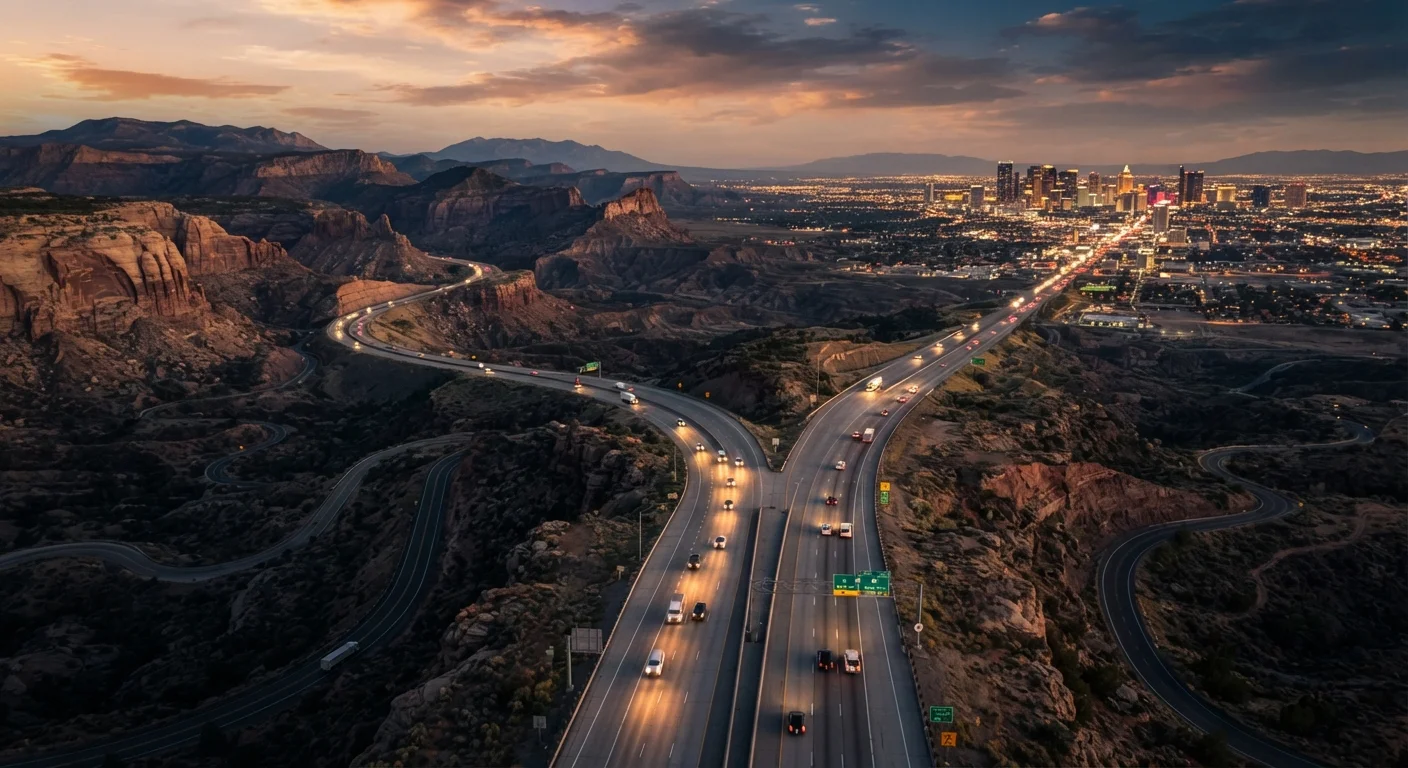
Many memorable American road trips blend both formats — a few nights camping in a park followed by a night or two in a nearby city for a hot shower and a proper meal. The Zion-to-Las Vegas or Glacier-to-Missoula combinations are classic examples of this hybrid approach. Think of parks and cities as complementary rather than competing elements of the same journey.