

Key Takeaways
Family Vacation Strategy
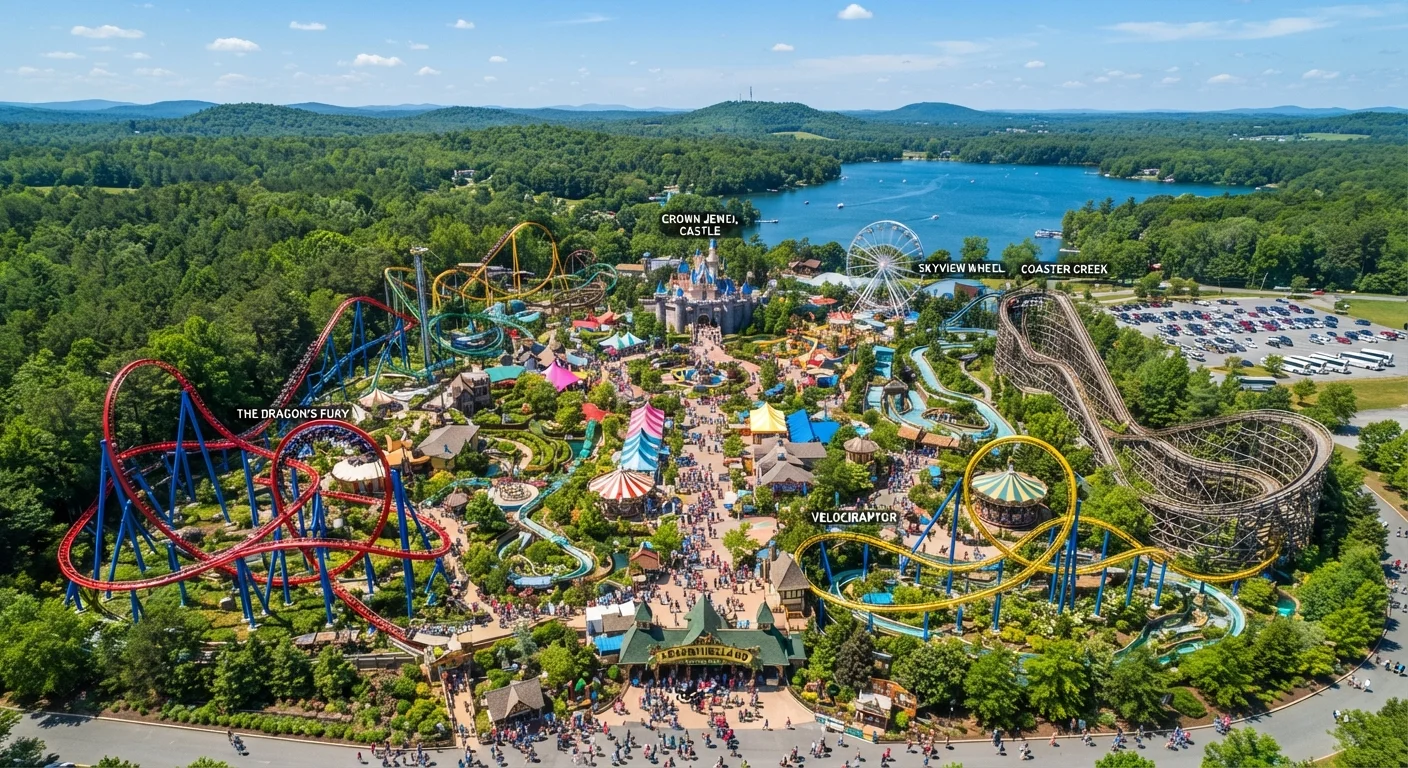
A family vacation strategy is the deliberate framework parents use to structure a trip so that every major element — transportation, lodging, activities, and pacing — serves the needs and enjoyment of the whole group. Rather than booking activities in isolation, a strategy considers how each piece interacts with the others. Theme parks are one powerful ingredient in that mix, but they work best when placed thoughtfully within a larger plan.
In travel planning, 'anchor activity' refers to a high-commitment experience (like a theme park day) that other itinerary decisions are built around, including rest days, travel logistics, and budget allocation.
The Theme Park as Anchor, Not Entire Trip
Here's the trap many families fall into: they plan a trip to a theme park rather than a trip that includes one. The distinction matters more than it sounds. When a theme park is the whole vacation, every decision — hotel, travel day, dining, budget — gets filtered through a single high-stimulation lens. That's a recipe for exhaustion by day two.
Positioning a theme park as an anchor activity changes the dynamic entirely. You build around it: a lighter arrival day, a structured park day, and a recovery day with lower demands. This approach lets the park be the highlight it's meant to be without burning out the family before the trip is half over.
Planning around common vacation stressors like overpacked itineraries is exactly where this framework pays off. A well-placed rest day isn't wasted time — it's what allows kids (and parents) to actually enjoy the big moments.
Build In a Buffer Day
Schedule at least one low-key day immediately before or after your main park visit. Even half a day at the hotel pool or a casual walk through a nearby neighborhood does wonders for recharging young travelers. Families who skip the buffer day often report that exhaustion defines the second half of their trip more than any single activity does.
Matching the Park to Your Family's Age Range
Not every theme park works for every family configuration. A park built around high-speed thrill rides serves a different audience than one with immersive storytelling environments suitable for younger children. Before committing, honestly audit your group: ages, height ranges, sensory sensitivities, and tolerance for waiting in lines.
Families with a wide age spread — say, a seven-year-old and a fourteen-year-old — often find parks with distinct "lands" or zones most effective, since different areas can appeal to different kids without splitting the group constantly. Families with toddlers should verify what percentage of attractions are actually accessible to their youngest member.
~$100–$200+
Average single-day ticket cost per person at major US parks
Ticket pricing at major US theme parks has risen substantially over the past decade, with premium parks regularly pricing single-day adult admission above $100 before in-park spending.
2–3 days
Average family theme park stay duration
Industry and travel research consistently finds that most families with children spend two to three days at a theme park destination before fatigue or budget constraints shift priorities.
60%+
Families citing crowd levels as top park frustration
Surveys of theme park visitors frequently cite crowd size and wait times as the leading factors that negatively impact the family experience, reinforcing the value of shoulder-season timing.
For families weighing theme parks against other formats, our comparison of beach vs. mountain family vacations illustrates how activity intensity and child age shape the right call.
What to Build Around the Park Visit
The real strategic value comes from what surrounds the park day. Many theme park destinations sit within a short drive of genuinely varied attractions — coastlines, state parks, cultural districts, and outdoor recreation areas that provide natural contrast and relief from the park's sensory intensity.
A well-rounded itinerary might look like: travel day and low-key exploration on arrival, one or two park days, a nature or beach day, and a final relaxed day before departure. This rhythm keeps energy levels manageable and gives every family member — including parents — something to look forward to beyond the park gates.
It's also worth considering lodging proximity. Staying close enough to return to the hotel for a midday break makes an enormous difference, particularly for families with napping toddlers or children who hit a wall by early afternoon. The family vacation planning timeline can help you sequence these decisions before spots fill up.
Budget Realism: The Numbers Behind the Gates
Theme park admission is often the most visible cost, but rarely the largest. In-park food, beverages, merchandise, parking, and any premium reservation or skip-the-line systems can collectively exceed the price of the tickets themselves. Families who budget only for admission frequently experience sticker shock inside the gates.
A realistic approach involves setting a firm in-park spending ceiling — separate from admission — and communicating it clearly with older kids before the trip. Eating a meal before entering and carrying water bottles are small adjustments that meaningfully reduce costs without diminishing the experience.
For families who want to stretch the overall travel budget, our budget travel strategies hub covers planning approaches that apply well beyond theme parks. The principle is the same: spend deliberately where it matters most and recover that flexibility elsewhere.
The bigger picture is that a theme park day, handled well, can be genuinely wonderful — a shared memory that kids talk about for years. Handled poorly, it's one of the fastest ways to drain a vacation's goodwill. Thoughtful integration, realistic expectations, and a little structural breathing room make all the difference.
This article is intended for general travel planning purposes. Prices, park policies, attraction availability, and scheduling details change frequently — always verify directly with parks and official sources before booking.
Theme Parks Aren't the Only Option
If your family is drawn to the idea of a structured, entertainment-rich destination but wants something different from a traditional theme park, it's worth exploring whether your goals might be better served by an all-inclusive resort or a national park visit. Our guides on all-inclusive vs. independent family travel and national parks as family destinations lay out both alternatives in practical detail.