

Key Takeaways
The True Cost of Owning a Vehicle
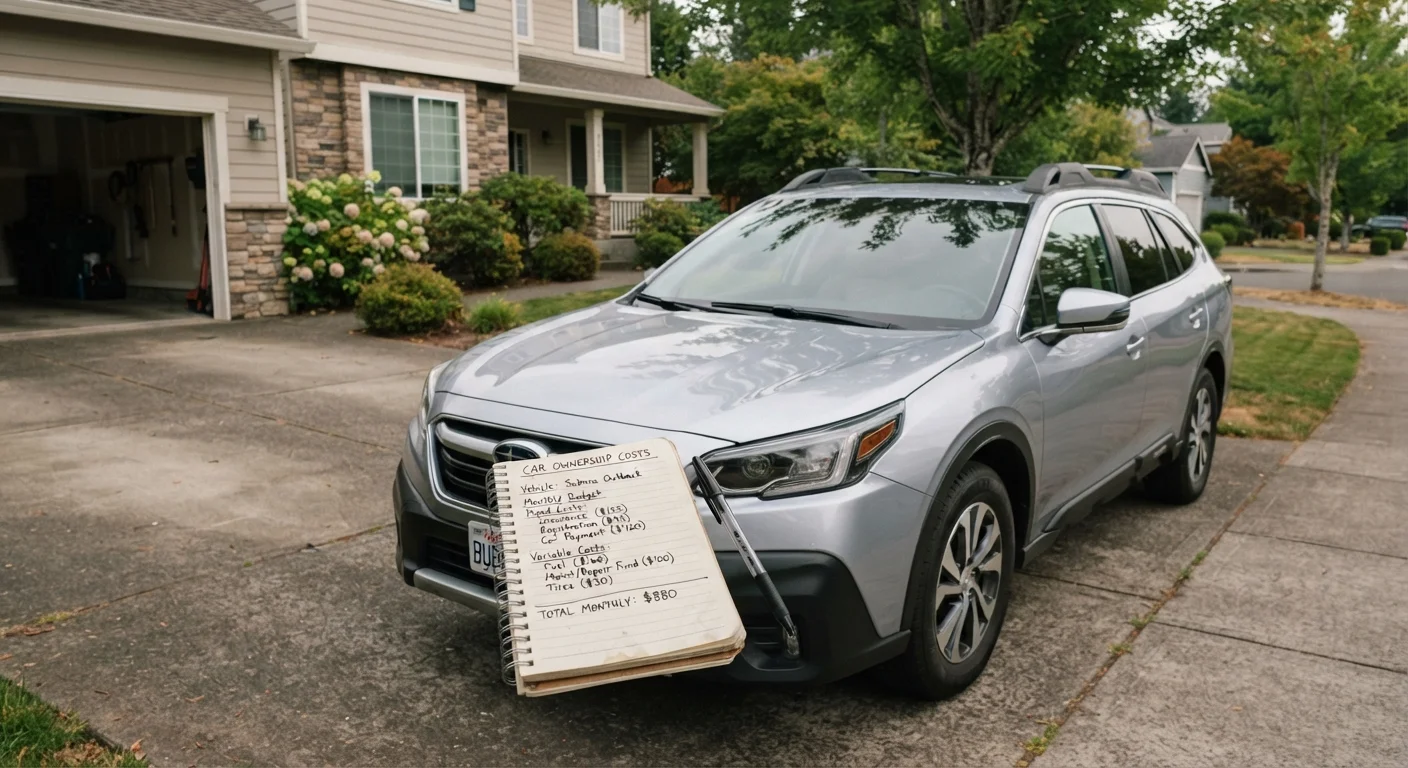
Most drivers focus on the sticker price or monthly payment when evaluating a car, but those figures represent only a fraction of what ownership actually costs. According to the American Automobile Association (AAA), the average American driver spends thousands of dollars per year on vehicle ownership when fuel, insurance, maintenance, registration, and depreciation are factored in together.
Depreciation - the loss of a vehicle's value over time - is often the single largest cost, yet it's largely invisible until you sell. Understanding this full picture is the first step toward managing it. For a closer look at how new and used vehicles compare financially, see our breakdown of new vs. used car ownership costs.
$12,182
Average annual cost to own and operate a new vehicle
According to AAA's annual Your Driving Costs study, which includes depreciation, fuel, insurance, maintenance, and financing.
~35%
Share of ownership costs attributed to depreciation
Depreciation consistently represents the largest single component of total vehicle ownership cost, per AAA research.
Maintenance: The Cost You Control Most
Of all recurring vehicle expenses, scheduled maintenance is the one area where proactive choices deliver the clearest financial returns. Skipping oil changes, tire rotations, or fluid checks may seem like a short-term saving, but deferred upkeep frequently leads to compounding repair bills. Our article on why skipping preventive maintenance usually costs more explains this dynamic in detail.
Some routine tasks are also well within the ability of most drivers to handle themselves - safely and without specialized equipment. Swapping air filters, replacing wiper blades, and checking tire pressure are good starting points. See our guide on under-the-hood tasks you can handle yourself for practical options.
Follow the manufacturer's maintenance schedule without skipping intervals.
The maintenance intervals in your owner's manual are based on engineering data specific to your vehicle. Staying on schedule prevents minor wear from becoming expensive component failures. Deferred maintenance is one of the most common reasons vehicles need premature major repairs.
Get written estimates from at least two repair shops before authorizing major work.
Labor rates and parts markups vary considerably between shops, and a second estimate on a significant repair often reveals meaningful price differences. This practice also helps you confirm that a recommended repair is genuinely necessary.
Check tire pressure monthly and before long trips.
Underinflated tires increase rolling resistance, reduce fuel economy, and wear unevenly - shortening their lifespan. Tire pressure drops naturally in cold weather, making seasonal checks especially important.
Understand what your insurance policy covers before you need it.
Many drivers discover coverage gaps only when filing a claim, which is too late to adjust. Knowing your deductibles, liability limits, and whether your policy includes roadside assistance helps you make informed decisions about coverage you're actually paying for.
Plan and combine errands to reduce total miles driven.
Every mile driven adds fuel cost, wear on tires and brakes, and incremental depreciation. Consolidating trips - especially short ones, which are hardest on engines - cuts all of these costs simultaneously.
Fuel and Driving Habits That Move the Needle
Fuel is a recurring and highly controllable expense. Smooth, gradual acceleration and braking - rather than aggressive starts and hard stops - can noticeably improve fuel economy and extend the life of brakes and tires simultaneously. Reducing highway speeds by even a modest margin also tends to improve efficiency.
Combining errands into single trips, keeping tires properly inflated, and removing unnecessary weight from the vehicle are small habits that, added together, produce real savings over time. For a broader look at smart driving practices, the Safe Driving Tips hub covers both safety and vehicle care in a single resource.
Building Financial Resilience Around Your Vehicle
Unexpected repairs are one of the most common sources of financial stress for car owners. A sudden transmission issue or failed alternator can run into hundreds or even thousands of dollars - an amount that catches many households unprepared.
Setting aside a modest, consistent amount each month into a dedicated vehicle fund - even $25 to $50 - builds a cushion that absorbs these surprises without derailing other financial priorities. This isn't a guarantee against hardship, but it meaningfully reduces the chance that a repair forces debt or a missed payment.
On the insurance side, reviewing your policy annually - checking deductibles, coverage levels, and whether your vehicle's current value justifies comprehensive and collision coverage - is a low-effort way to make sure you're not overpaying. This is general information; for advice tailored to your situation, a licensed insurance professional is the right resource.
Finally, high-mileage vehicles require slightly different attention. If you're committed to keeping a car past 150,000 miles, our guide on keeping a car healthy past 150,000 miles outlines the maintenance shifts that support longevity.