

Key Takeaways
Hidden Dietary Sodium
Hidden dietary sodium refers to salt that enters the diet through processed, packaged, and restaurant foods - sources that many people don't associate with high salt intake. Unlike the salt you consciously add at the table, this sodium is built into recipes, preservation processes, and flavor formulations before food ever reaches you. Because it's invisible in the finished product, it's easy to consume far more than intended.
Sodium and salt are related but not identical: table salt (sodium chloride) is roughly 40% sodium by weight. The Dietary Guidelines for Americans recommend limiting sodium to 2,300 mg per day for most adults.
The Saltshaker Isn't the Main Culprit
When most people think about cutting back on sodium, they picture themselves putting down the saltshaker. It's an intuitive image - but it misses the bigger picture by a wide margin. According to the Centers for Disease Control and Prevention (CDC), approximately 70% of the sodium Americans consume comes from processed, packaged, and restaurant foods. The salt added at the table or during home cooking accounts for a relatively small fraction of total daily intake.
This matters because it changes where the most effective interventions actually are. Skipping the shaker while eating a fast-food meal, a deli sandwich, or a bowl of canned soup barely moves the needle. Understanding the real sources of dietary sodium is the first step toward making genuinely informed choices.
~70%
Sodium from packaged and restaurant foods
According to the CDC, roughly 70% of dietary sodium in the U.S. comes from processed and commercially prepared foods.
2,300 mg
Daily sodium limit for most adults
The Dietary Guidelines for Americans recommend no more than 2,300 mg of sodium per day for adults - equivalent to about one teaspoon of table salt.
3,400 mg
Average daily sodium intake in the U.S.
The CDC estimates that Americans consume an average of about 3,400 mg of sodium per day, nearly 50% above the recommended limit.
The Foods Contributing Most to Sodium Intake
Research from the CDC has identified the food categories responsible for the largest shares of sodium in the American diet. The findings challenge common assumptions about which foods are 'salty.'
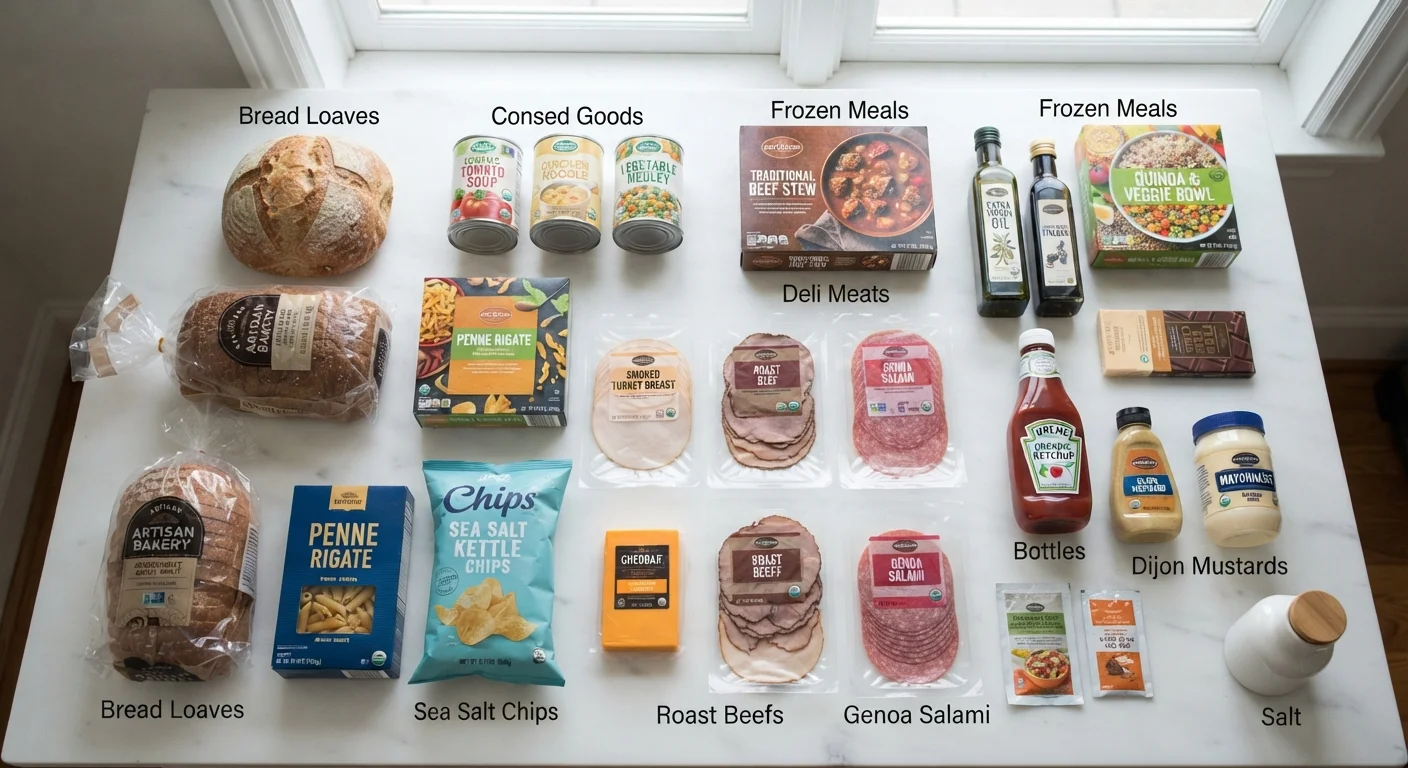
- Bread and rolls: The single largest category contributor. Individual slices don't seem alarming, but Americans eat bread at nearly every meal, and sodium accumulates quickly.
- Cold cuts and cured meats: Ham, salami, turkey slices, and similar deli products are heavily salted as part of the preservation and curing process.
- Pizza: Combines multiple high-sodium components - cured meat toppings, processed cheese, and sodium-laden sauce on a bread crust.
- Soups: Canned and restaurant soups are among the most concentrated sources; a single serving can contain 800-900 mg of sodium or more.
- Sandwiches and burgers: Restaurant versions routinely deliver 1,000 mg or more of sodium in a single item, before fries or sides.
- Cheese: A significant sodium source that often goes unnoticed because it's used as an ingredient rather than a main dish.
What's notable about this list is how ordinary these foods are. These aren't novelty snacks or fast-food indulgences - they're everyday staples that form the backbone of many American meals.
Why Taste Is an Unreliable Guide
One of the most counterintuitive aspects of hidden sodium is that saltiness isn't a reliable indicator of sodium content. Bread doesn't taste particularly salty, yet it consistently ranks among the top sodium contributors in dietary surveys. Cottage cheese, certain breakfast cereals, and bottled pasta sauces all contain notable sodium without delivering an obviously salty flavor.
This disconnect happens partly because other flavor components - sweetness, acidity, fat - can mask the perception of saltiness even when sodium levels are high. It's also why reading the Nutrition Facts panel is more useful than relying on taste. The sodium figure in milligrams per serving is the only reliable data point available to consumers at the point of purchase.
For a deeper dive into what packaged food labels are really telling you, see our guide to reading ingredient lists - including what to look for beyond the nutrition panel itself.
Use the % Daily Value as a Quick Guide
On a Nutrition Facts label, a sodium % Daily Value (DV) of 5% or less per serving is generally considered low; 20% or more is considered high. This shortcut can help you make faster comparisons when shopping without needing to memorize specific milligram targets.
Practical Approaches to Reducing Hidden Sodium
Reducing sodium intake doesn't require overhauling an entire diet overnight. Research suggests that gradual reductions - and allowing taste preferences to adjust over time - tend to be more sustainable than abrupt dietary overhauls.
A few approaches with meaningful impact:
- Compare labels within a category. Sodium content for the same type of product (say, canned tomato soup) can vary by 300-400 mg between brands. Choosing lower-sodium versions of products you already buy requires no behavior change beyond the initial comparison.
- Rinse canned goods. Draining and rinsing canned beans, vegetables, and similar products can reduce their sodium content by a meaningful amount.
- Be aware of restaurant portion sizes. Restaurant meals are often built around flavor profiles that include significant sodium. Knowing this allows for more intentional choices about frequency and portions.
- Cook more from whole ingredients. Meals built around fresh vegetables, unprocessed proteins, and whole grains naturally contain less sodium than those relying heavily on packaged or pre-seasoned components.
These aren't prescriptions for any individual - they're general patterns supported by nutritional science. Anyone managing a specific health condition, including high blood pressure or kidney disease, should work directly with a qualified healthcare provider to determine appropriate sodium targets for their situation.
This article is for general informational and educational purposes only and does not constitute medical or dietary advice. Consult a qualified healthcare professional for guidance specific to your health needs.