

Key Takeaways
Summary
22 items · 20-35 minutes
Why a Store Map Matters for Better Eating
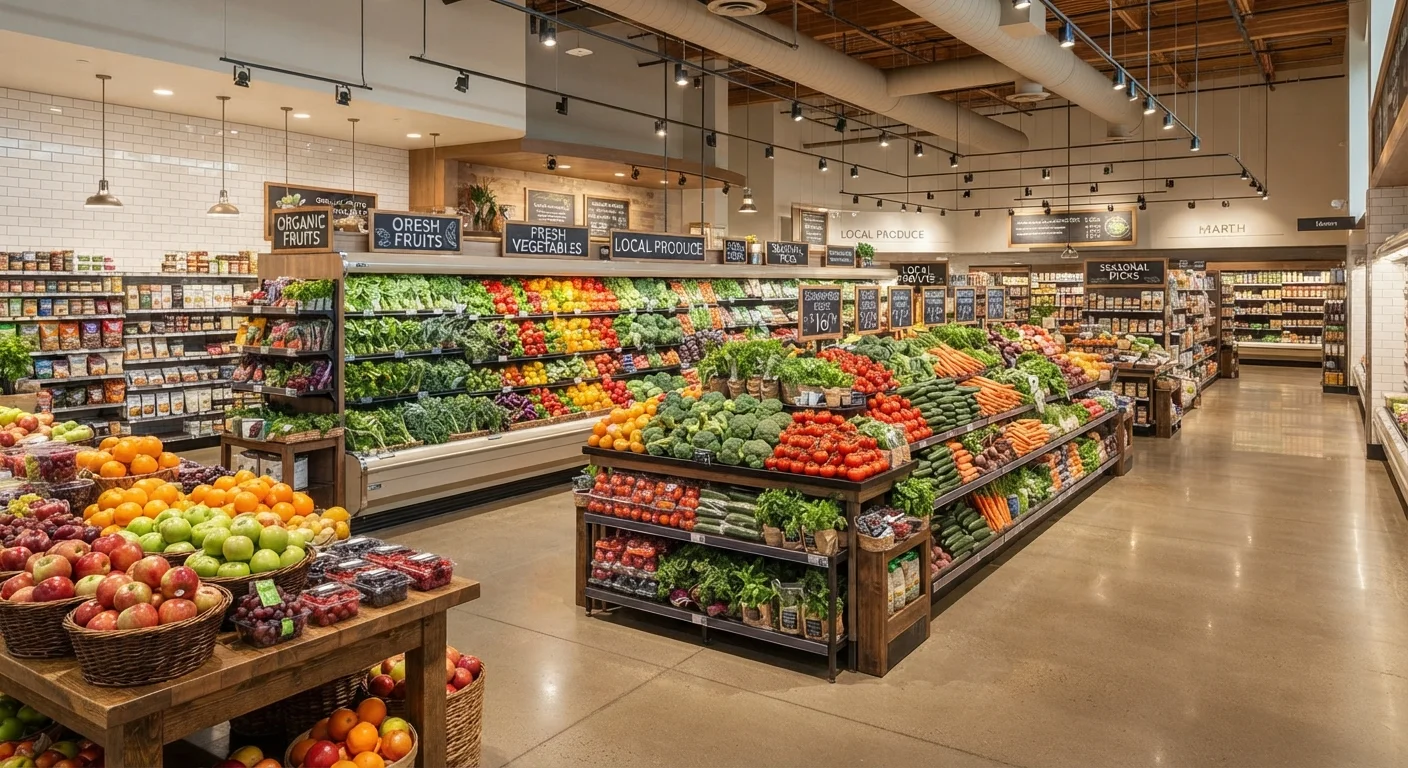
Most grocery stores follow a familiar layout - and understanding that layout is one of the most practical tools for eating well consistently. Fresh, minimally processed foods tend to line the store's perimeter: produce, proteins, dairy, and eggs. The center aisles hold packaged goods, which range from nutritious staples like legumes and whole grains to heavily processed convenience foods with long ingredient lists.
This guide walks through the major zones of a typical grocery store with a nutrition-focused lens. It isn't a prescription for a specific diet - it's a framework for making more intentional choices wherever you shop. For guidance on keeping costs in check at the same time, see our eating well on a budget guide.
Produce Section
Protein Section (Meat, Seafood, Eggs)
Dairy and Alternatives
Center Aisles - Whole-Food Staples
Packaged and Processed Foods (Center Aisles - Assess Carefully)
How to Use This Checklist
Work through the checklist section by section as you move through the store, or review it before your trip to build a more intentional shopping list. Items marked must represent evidence-based nutritional priorities supported by broad dietary guidance. Should items add meaningful value and are recommended for most people. Nice-to-have items are useful enhancements - worth considering but not essential every trip.
Reusable shopping list (paper or app)
Organize your list by store section to reduce backtracking and impulse decisions.
Nutrition Facts panel and ingredient list
Found on every packaged food; use both together to assess actual nutritional content beyond front-label claims.
Meal plan or weekly menu
Mapping meals in advance ensures your cart covers what you actually need and reduces food waste.
One note before you start: if you manage a chronic condition, food allergy, or have specific dietary needs, personal nutrition decisions are best made with input from a registered dietitian or your healthcare provider. This checklist reflects general, population-level guidance - not individualized medical advice.
Front-of-Package Claims Are Not Regulated the Same Way
Terms like "natural," "made with whole grains," or "low-fat" are not standardized health claims - they are largely marketing descriptions. A product labeled "multigrain" may still use primarily refined flour. Always cross-check front-of-package language with the Nutrition Facts panel and the ingredient list to get an accurate read on what you're buying.
If you're also working to stretch your grocery budget, the habits covered in cost-reducing grocery shopping habits pair well with this nutrition-focused approach - the two goals are more compatible than they might seem.
Understanding Labels in the Center Aisles
The center aisles deserve particular attention because the range of nutritional quality is widest there. A can of lentils and a bag of heavily sweetened granola both live in the same zone. The key skill is reading past front-of-package claims - words like "natural," "multigrain," or "light" are marketing terms, not regulated nutritional benchmarks.
Flip to the ingredient list. A shorter list with recognizable whole-food ingredients generally indicates less processing. Ingredients are listed by weight, so the first few entries tell you the most about what you're actually eating. Our ingredient list reading guide goes deeper on what specific entries and list length reveal about a packaged food.
This article is for general informational and educational purposes only and does not constitute medical or nutritional advice. Consult a qualified healthcare professional or registered dietitian for guidance tailored to your individual health needs.