
Overconfidence, Routine, and Inattention: The Hidden Patterns Behind Everyday Accidents

Key Takeaways
Why Comfortable Driving Is Often the Most Dangerous Kind
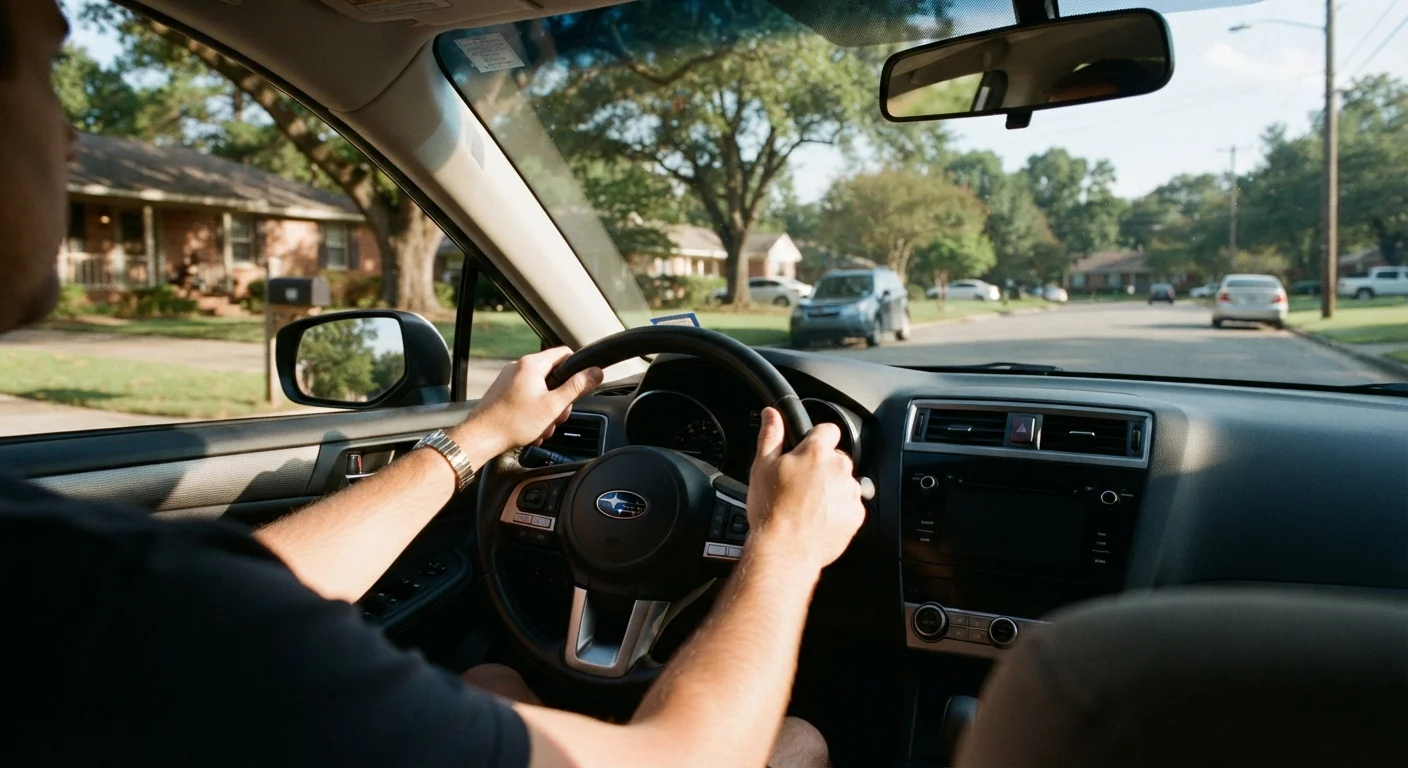
When people imagine dangerous driving situations, they picture icy highways, unfamiliar mountain roads, or heavy rain. The reality is less dramatic - and more important to understand. The conditions most likely to precede a crash are ordinary ones: clear skies, familiar streets, moderate traffic.
This isn't a coincidence. Familiar conditions create familiarity bias, a well-documented tendency to underestimate risk in environments that feel known. The more comfortable you are, the less actively your brain monitors for threat - and that gap between perceived safety and actual risk is where accidents happen.
Familiarity Does Not Equal Safety
Research consistently shows that a significant share of crashes occur on roads drivers travel every day. The brain's tendency to operate on autopilot in familiar environments actively reduces situational awareness. Feeling comfortable is not the same as being alert - and in driving, the difference matters enormously.
Recognizing this pattern is not about inducing anxiety behind the wheel. It's about understanding the specific mental habits that lower your guard so you can counter them with deliberate, practical ones.
The Mistakes That Cause Everyday Crashes
The following patterns appear consistently in crash reports and safety research. They don't require recklessness - just the slow erosion of attention that routine produces.
Relaxing attention on familiar roads because the route feels predictable and safe.
Why it happens: The brain is wired to conserve mental energy. Once a route becomes routine, the mind shifts into a lower-engagement mode - sometimes called 'highway hypnosis' - where conscious processing drops significantly.
Overestimating personal driving skill and underestimating current road conditions.
Why it happens: Experienced drivers tend to conflate years behind the wheel with immunity to error. This overconfidence can reduce caution at exactly the moments it's most needed - heavy traffic, fatigue, or mild weather changes.
Assuming a quick glance at a phone or brief mental drift is low-risk.
Why it happens: People underestimate how much distance a vehicle covers in just two or three seconds of inattention. At 40 mph, a two-second distraction means traveling nearly 120 feet without active awareness of the road ahead.
Following too closely because traffic flow feels normal and stopping seems easy.
Why it happens: Tailgating often creeps in unconsciously during commutes when drivers match the pace of surrounding traffic. The assumption is that if everyone is doing it, it must be acceptable - but reaction time and vehicle stopping distances don't change based on what others do.
Failing to check blind spots during lane changes, especially on familiar highways.
Why it happens: On roads driven repeatedly, drivers often develop a false mental map of traffic patterns and may rely on mirrors alone without turning to physically check the blind spot.
Driving while fatigued, especially during daytime hours when sleep deprivation feels manageable.
Why it happens: Drivers often associate drowsy driving with nighttime, but fatigue impairs reaction time and judgment regardless of the hour. Daytime fatigue after poor sleep is frequently underestimated and easy to rationalize.
New and young drivers are particularly vulnerable to some of these patterns as habits form. The habits that shape a lifetime behind the wheel explores why the early years matter so much for long-term safety.
~52%
Crashes occurring within 5 miles of home
Data from multiple U.S. traffic safety studies have found that a majority of crashes occur close to home, where drivers are most likely to be in a low-attention routine.
~3 sec
Time needed for a crash to become unavoidable
Traffic safety research indicates that most rear-end collisions involve a driver distraction window of three seconds or less - enough time to travel the length of a basketball court at highway speeds.
Building Habits That Work Against Complacency
The goal isn't to drive in a constant state of high anxiety - that's neither sustainable nor safe. The goal is structured attentiveness: small, repeatable behaviors that keep you engaged without adding stress.
- Pre-drive reset: Before pulling out, take a moment to mentally commit to the drive rather than treating it as background to your day.
- Consistent mirror checks: Scan your mirrors on a deliberate cycle every 8-10 seconds rather than waiting until you need the information.
- Following distance discipline: Use the three-second rule as a standing habit, not a situational response.
- Phone management: Remove the option - store the phone out of reach so the temptation isn't a decision you have to make while moving.
Keeping your vehicle in reliable condition also removes one variable from the equation. Regular car maintenance ensures your brakes, tires, and lights perform as expected when you actually need them.
Routine Can Mask Dangerous Gaps
When a driving route becomes truly automatic, drivers often stop actively scanning for hazards. Intersections, driveways, and pedestrian crossings you've passed hundreds of times still present real risk every single time. Don't let repetition substitute for attention.
Small habits practiced consistently produce real change in crash exposure over time. Driving safety isn't a single dramatic decision - it's the accumulation of ordinary ones made well.